Case Study • Preschool Communication App
Identifying Barriers and Solutions to Enhance Digital Communication in Swedish Preschools: Toward the Design and Evaluation of "Kidgle" Communication application
Yearjan-sep 2024
RoleUI/UX Designer
ScopeResearch · UX Design · UI Design
ToolsFigma
TL;DR
Background
Preschool communication in Sweden often happens across disconnected channels such as conversations, messaging apps, email, and social media. This leads to inconsistencies, duplicated work, and reduced visibility into children's daily experiences.
Problem
Existing tools focus mainly on announcements while missing important details like health, meals, sleep, and activities. Language barriers and fragmented communication can also affect accessibility and trust.
Approach
Using the Double Diamond framework, I researched existing platforms, gathered insights from parents and teachers, and designed Kidgle, a communication platform focused on transparency, accessibility, and usability.
Outcome
The prototype was positively received, showing that a centralized platform can strengthen daily collaboration while complementing face-to-face communication.
01
Problem
Context & Challenge
In Sweden, communication between preschools and parents often happens across multiple channels, making it difficult to keep everyone informed and creating extra work for teachers.
Design Challenge
How might we create one communication platform that keeps parents informed while making communication simpler for preschool teachers?
02
Research
Understanding the ecosystem
Before designing a solution, I wanted to understand how communication currently works between Swedish preschools and parents, what challenges they experience, and where digital tools could provide the most value.
Literature Review
Reviewed previous research on parent-teacher communication and digital collaboration.
Competitive Analysis
Explored existing preschool communication platforms to identify strengths and gaps.
User Research
Collected insights from preschool teachers and parents using mixed methods.
Evaluation
Evaluated the final concept using SUS, UES-SF and qualitative feedback.
03
Key Insights
Research Findings
The research revealed recurring patterns that directly influenced the design decisions behind Kidgle.
Communication is fragmented
Information is spread across different channels, making communication difficult to follow.
Parents value everyday updates
Meals, activities and wellbeing matter just as much as educational progress.
Accessibility matters
Inclusive communication supports stronger engagement for all families.
04
Design Principles
How research shaped decisions
Design decisions were guided by user needs, accessibility and simplicity.
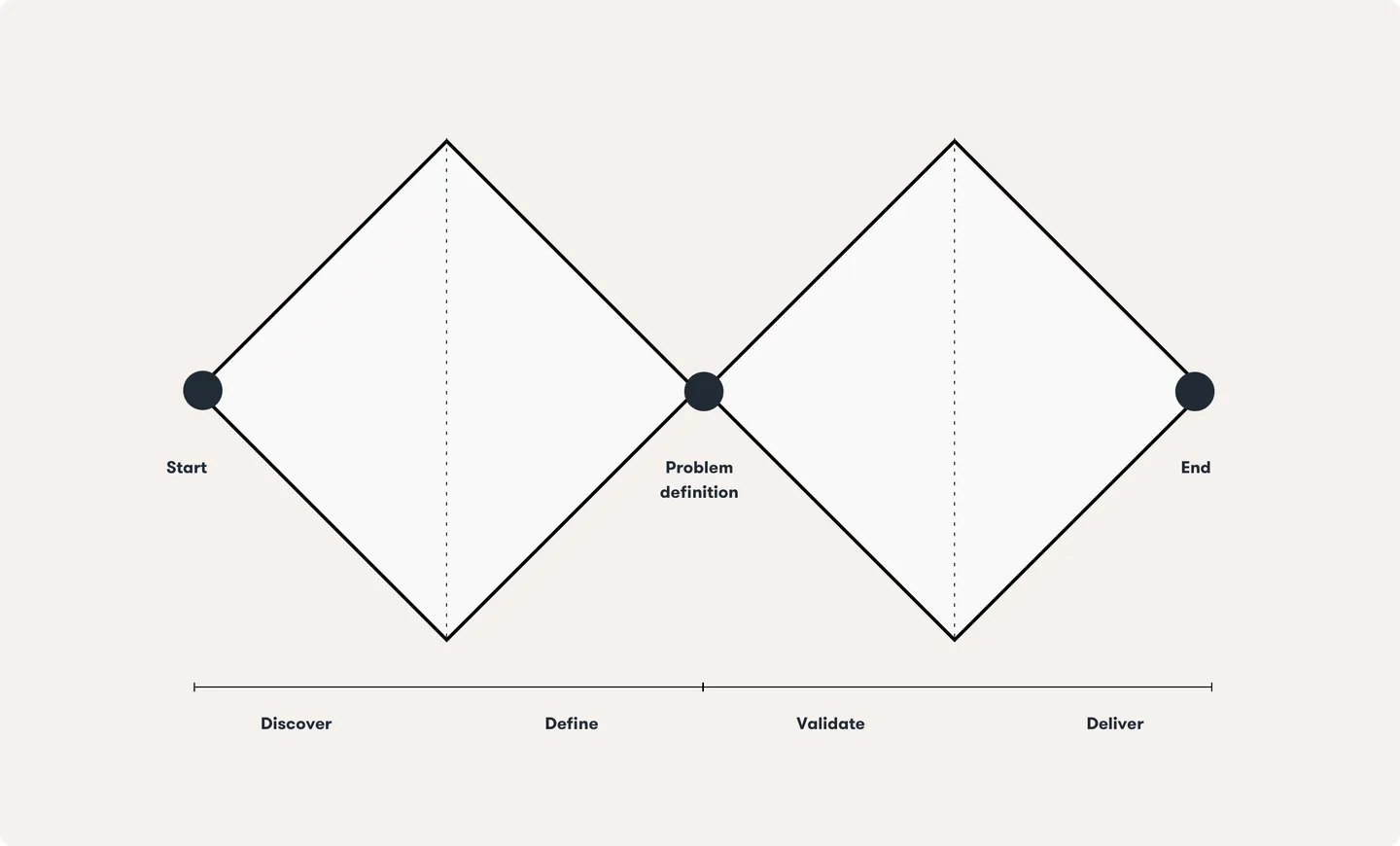
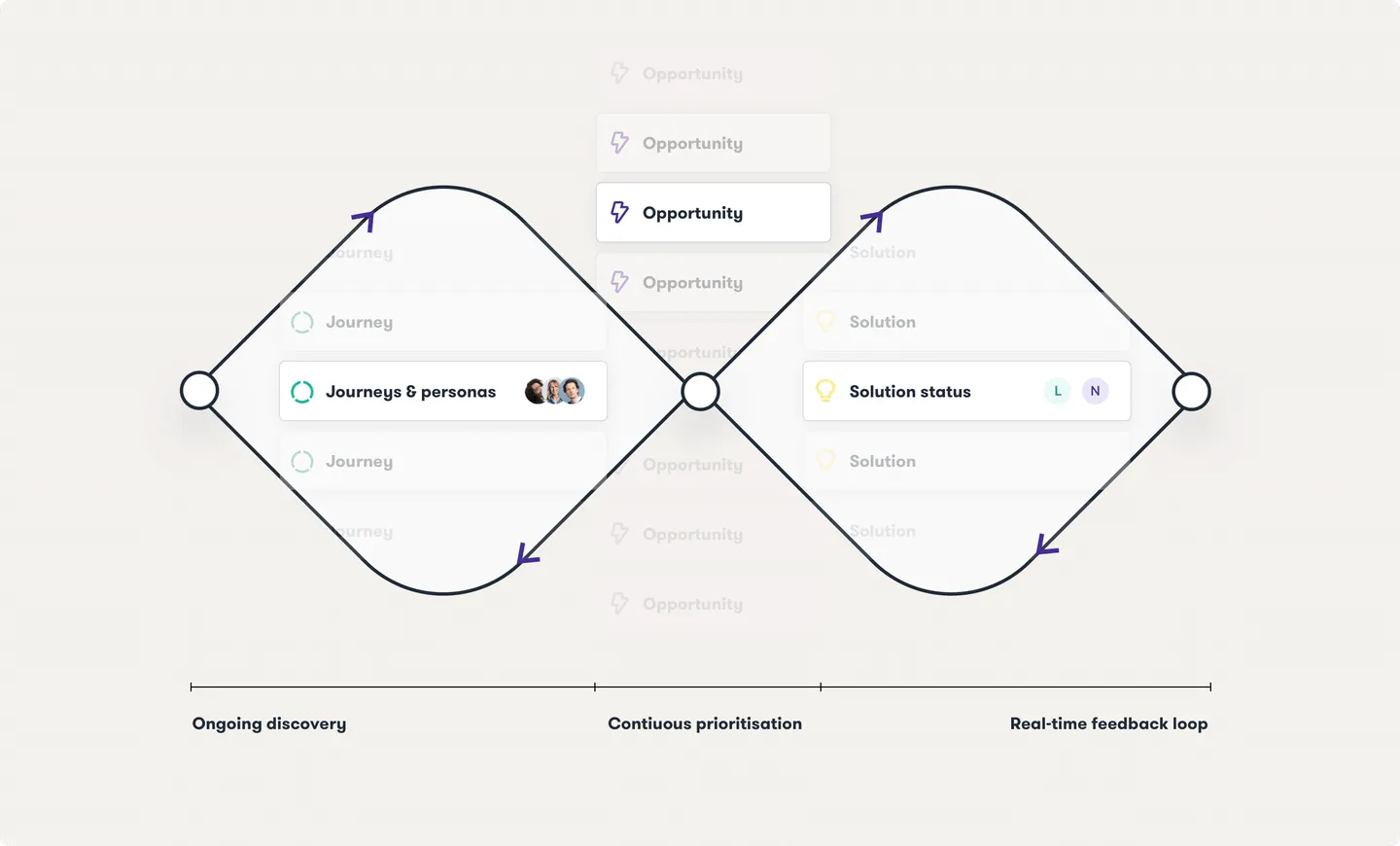
The prototype development followed the Double Diamond design process, it's an iterative approach, repeated until the desired results are achieved
05
Design Process
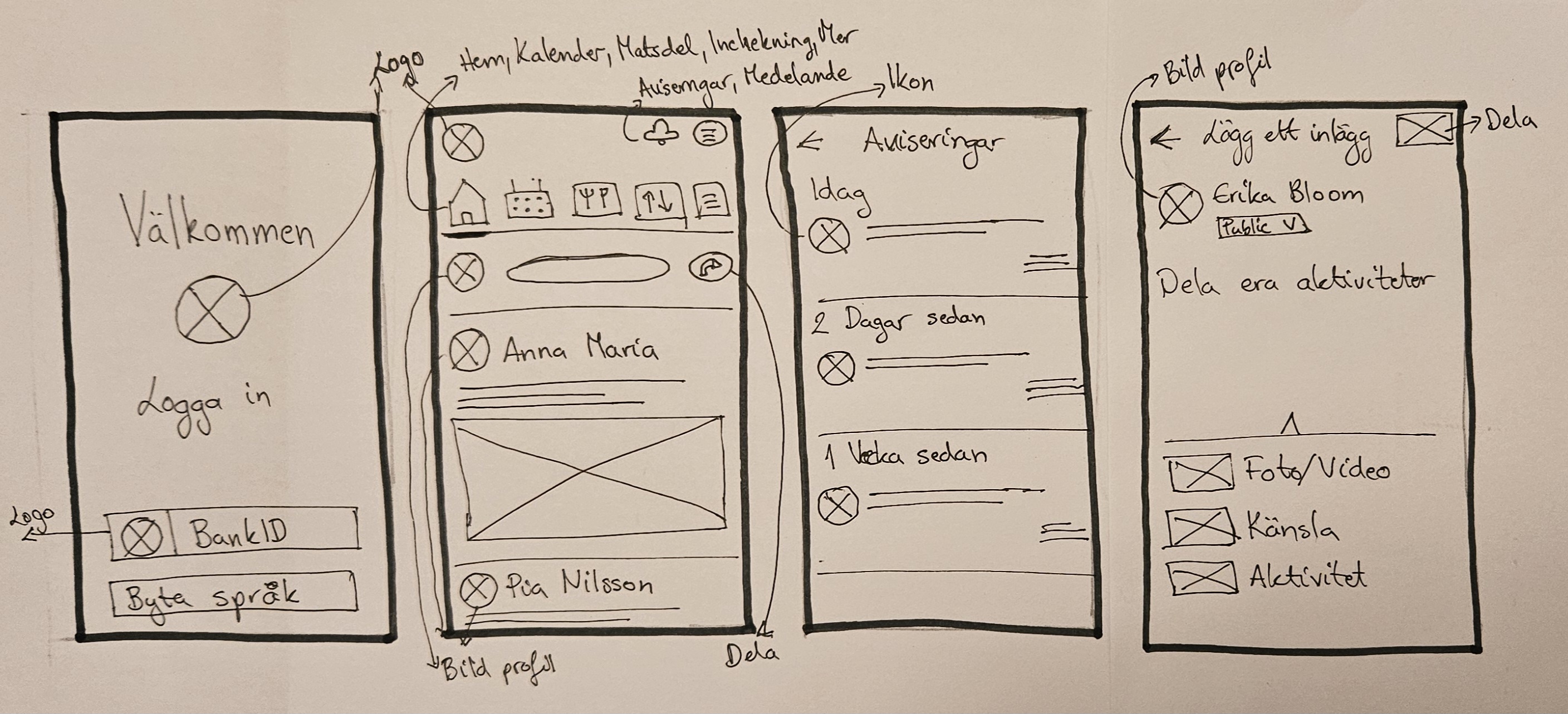
Wireframes → Prototype
From early concepts to a tested prototype.
Kidgle brings together messaging, daily updates and child wellbeing into one simple communication platform, helping parents stay informed while reducing administrative work for teachers.
06
Final Solution
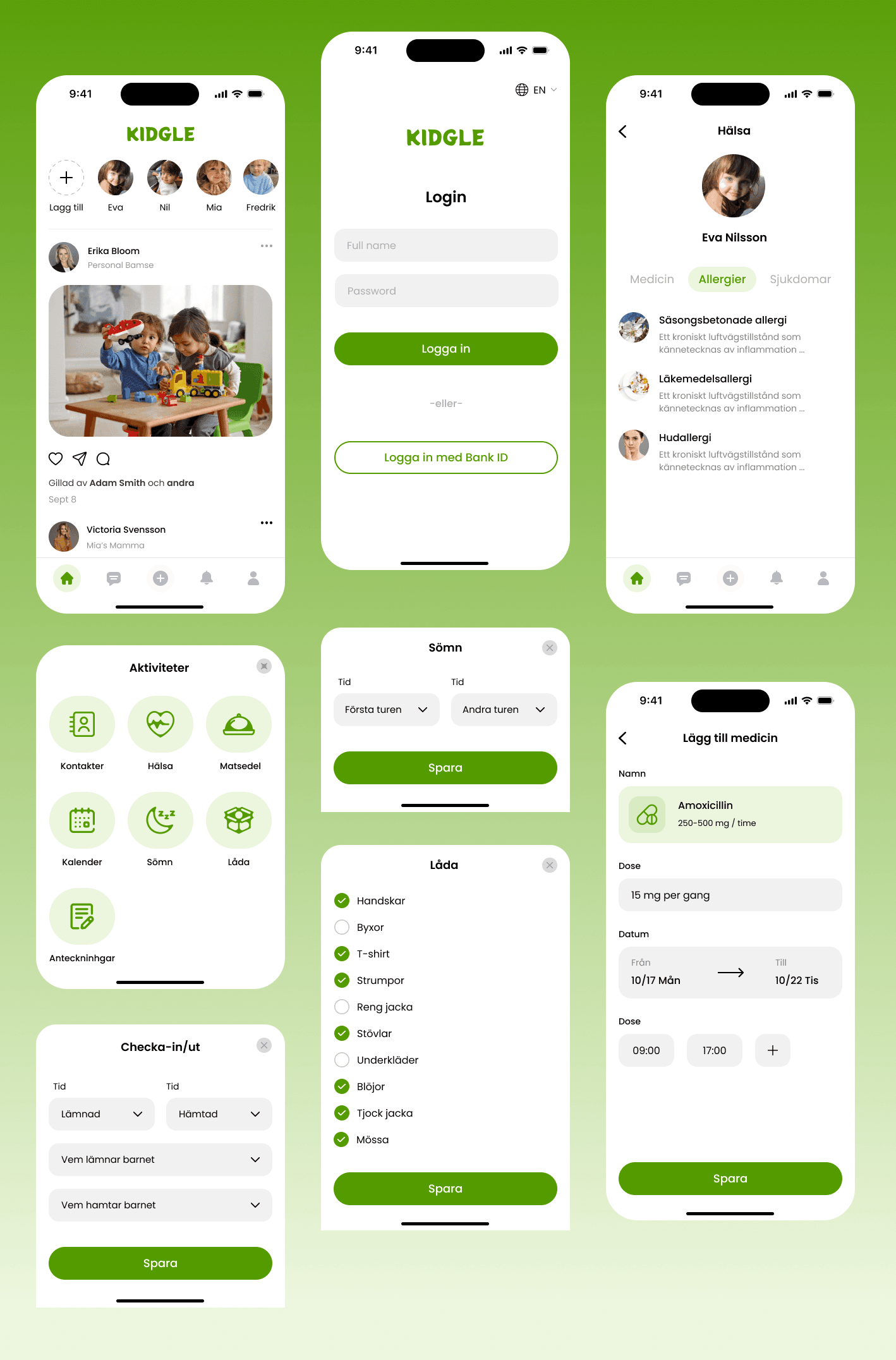
The final product
A digital experience designed around clearer communication.
Kidgle brings together messaging, daily updates and child wellbeing into one simple communication platform, helping parents stay informed while reducing administrative work for teachers.
08
Evaluation
User testing + SUS
Testing the experience with parents and preschool teachers.
Parents and preschool teachers tested the Kidgle prototype to evaluate usability, usefulness, and satisfaction. The feedback showed strong acceptance while identifying improvements around simplicity, privacy, and feature prioritization.
Usability Testing
Easy to use, needs focus
Users valued having child information in one place. Teachers highlighted the need for fewer, more focused features.
SUS Score
86.25 / 100
The prototype achieved a high usability score, showing strong acceptance from both parents and preschool teachers.
09
Reflection
What I'd improve
Looking back at the project.
Future Improvements
- Collaborate with more preschools
- Validate the concept over a longer period
- Explore accessibility, multilingual support and long-term adoption.
More Case Studies